2035 N Orleans
Lincoln Park, Chicago
Record new-construction pricing in Lincoln Park. All ten residences sold during construction at full asking price. Buyers later resold at 20–30% premiums.
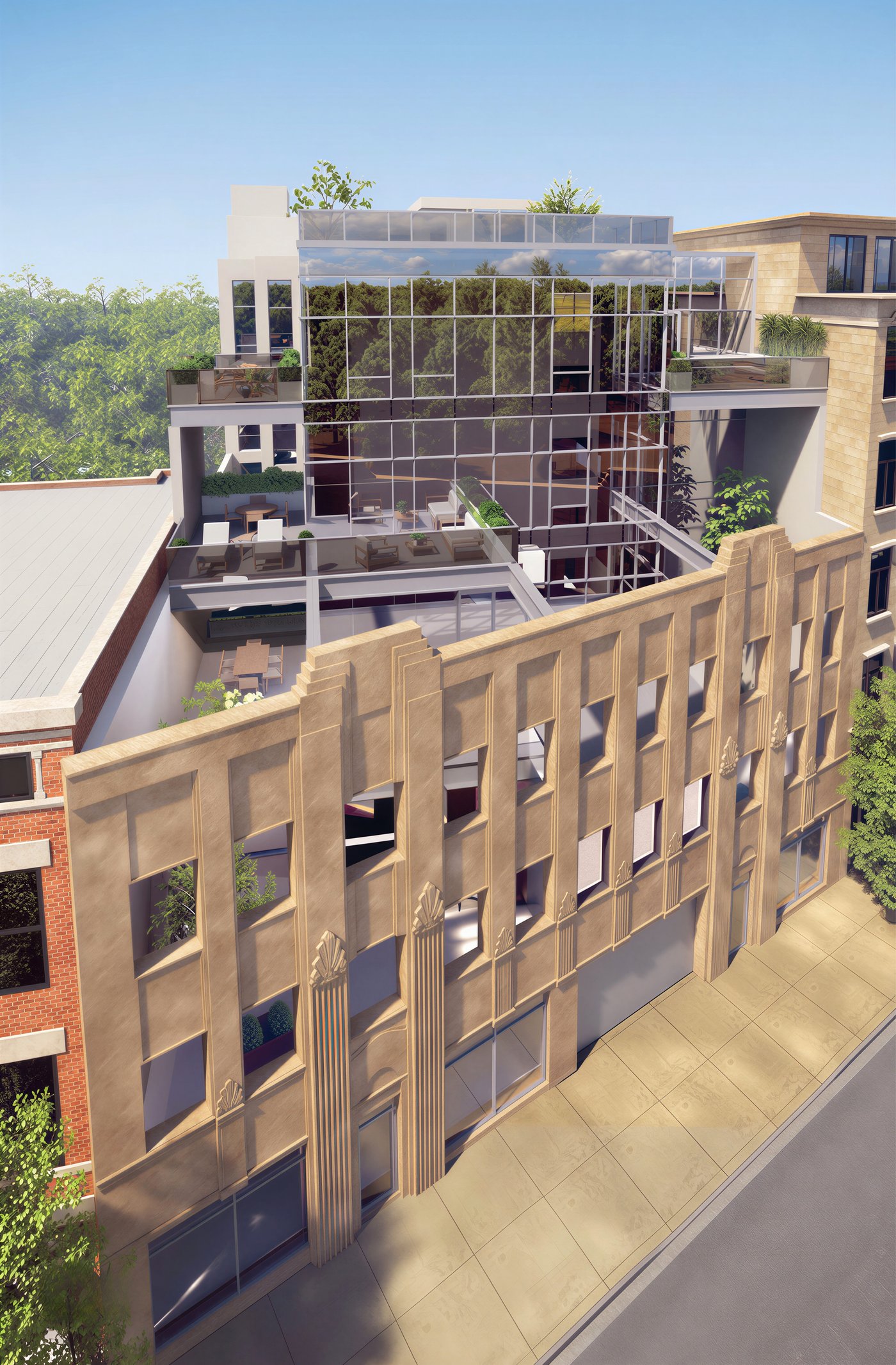
Ten bespoke residences built inside a reimagined 1930s red brick structure — a five-story steel-and-glass building concealed within a historic Chicago envelope. The project delivered a rare combination of old-world character and modern precision, with a total sellout of $28 million.
Orleans came to market when Chicago’s luxury segment was not cooperating. Two competing luxury developments in the same submarket launched in the same window and failed to sell through. We chose to proceed. The residences sold out before completion and set record new-construction pricing in Lincoln Park at the time. Buyers later resold at 25–30% premiums — a clearer signal of durable value than any marketing claim could produce.
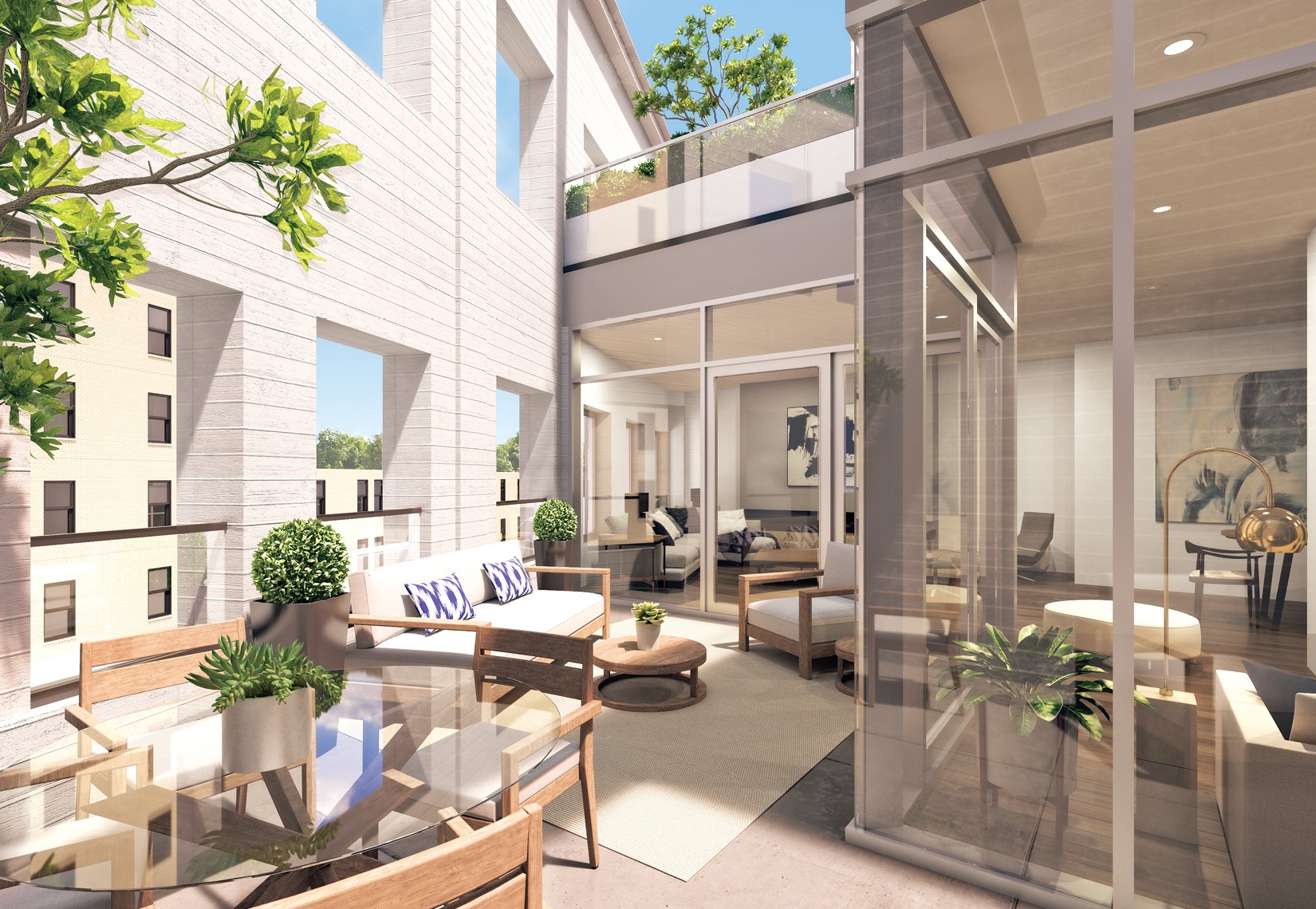
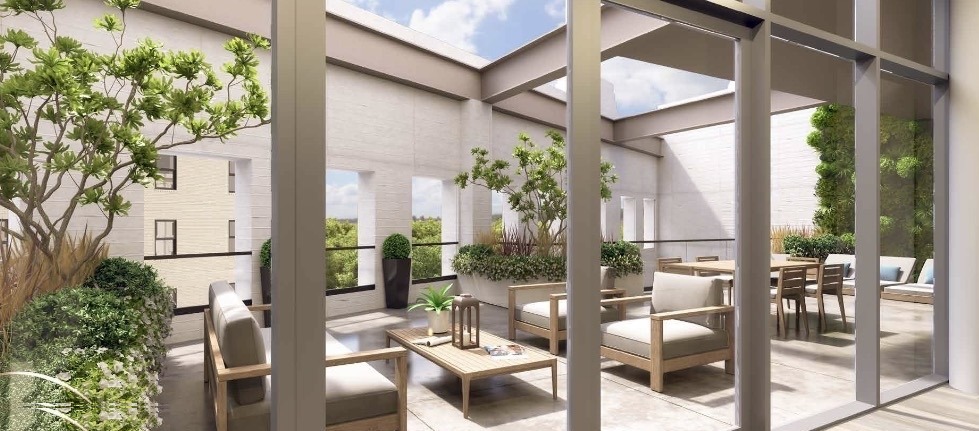
Most developers would have demolished the façade. We saw greater value in preserving what could never be recreated. Four original masonry walls were retained while an entirely new five-story steel-and-glass structure rose within and behind them. That decision transformed a conventional redevelopment into one of the most distinctive residential offerings in Chicago — private outdoor terraces framed by historic brick and contemporary glass, an experience unavailable in competing condominium product.
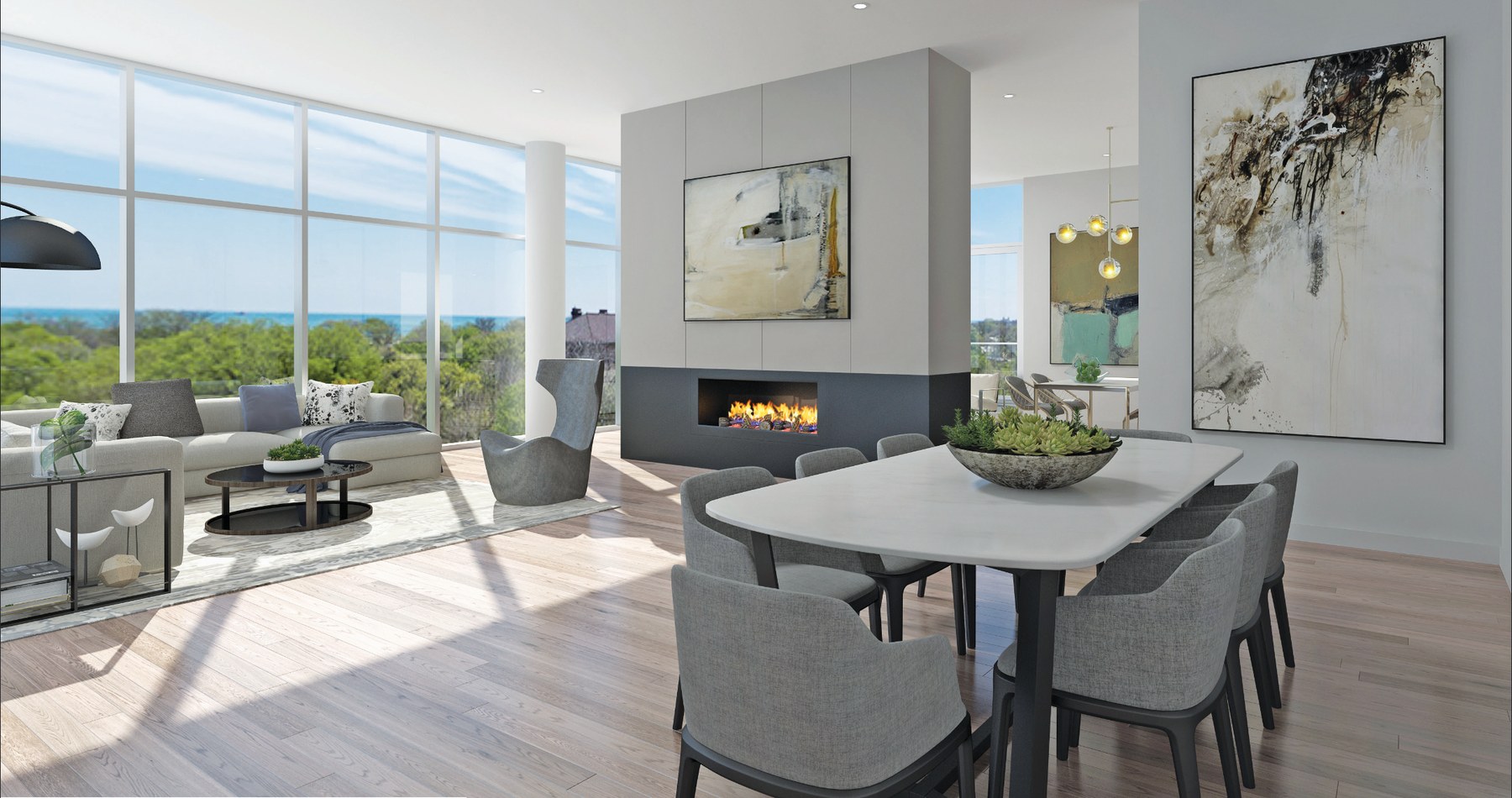
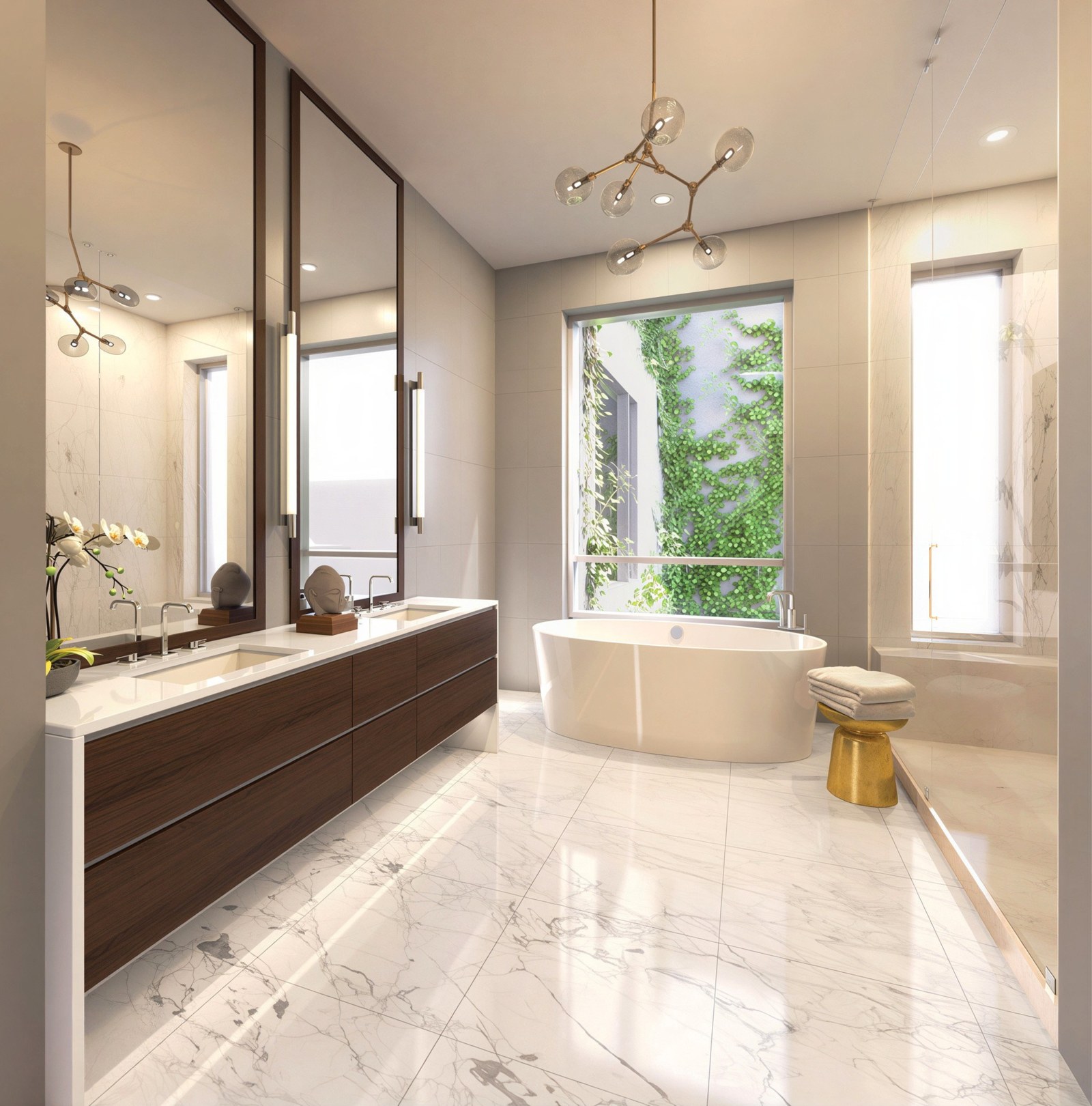
Inside, no two homes were identical. Ceiling heights, window orientations, layouts, and material palettes shifted floor to floor, allowing each residence to feel bespoke rather than standardized. Product decisions were informed by real-time buyer intelligence from our active brokerage platform, enabling us to anticipate demand rather than rely solely on backward-looking comps. The engineering complexity was significant — preserving the façade while constructing an entirely new building required deeper expertise, greater coordination, and higher conviction than a standard ground-up approach. That conviction created more than a successful project — it created a category of its own.